
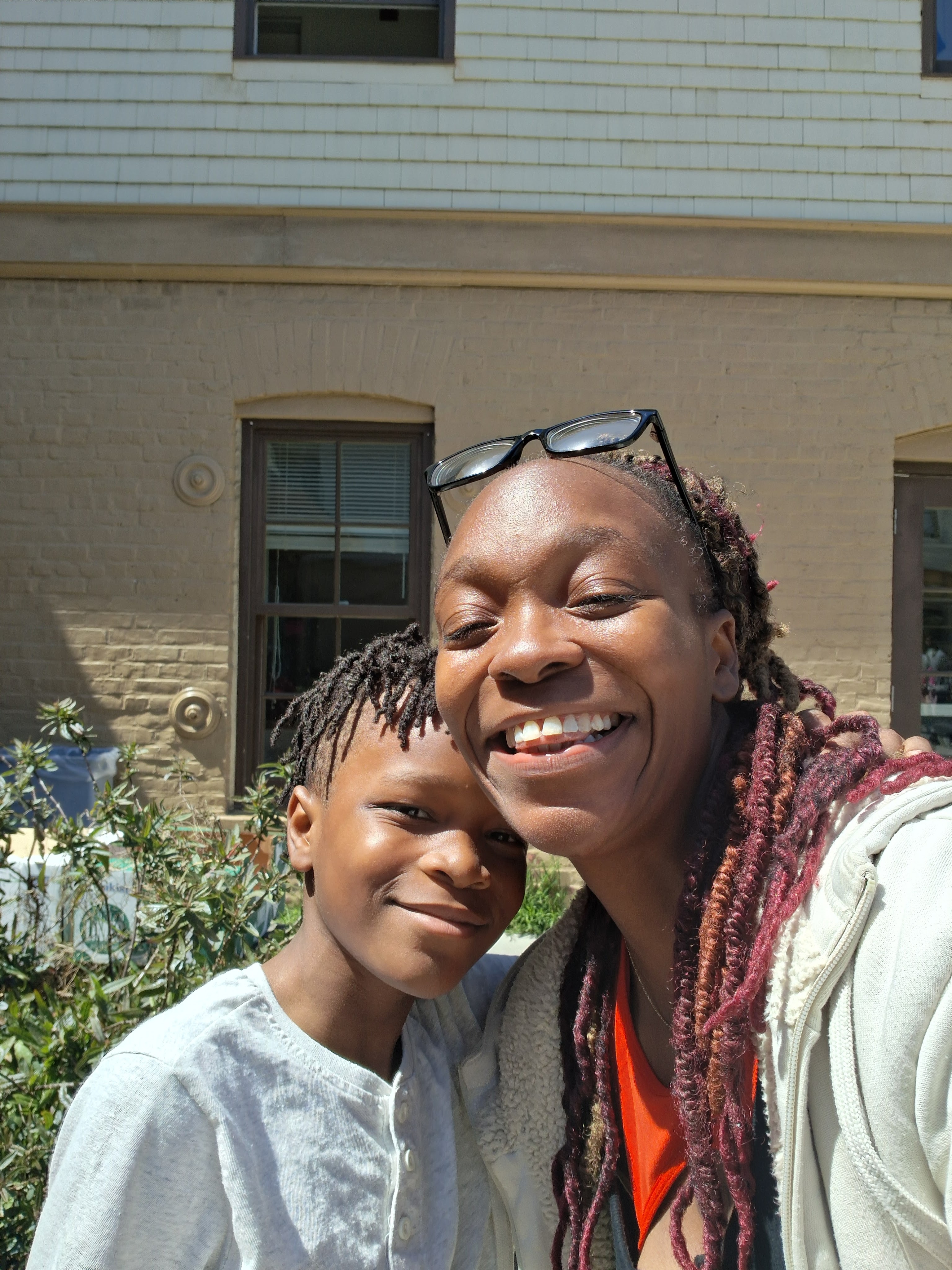
“If you are silent about your pain, they’ll kill you and say you enjoyed it.” — Zora Neale Hurston
I know it’s Thursday, and you were probably expecting a review. But motherhood, as it often does, had other plans. This week, I was pulled away from my schedule and deep into one of those raw, unfiltered, “real experiences” with discipline I’ve written about before. And I need to talk about it.
This morning, my 10-year-old son decided, as we were leaving for school, to just pass the car and start walking toward a friend’s house. No discussion, no warning. He just did it. When I finally got him back, he couldn’t give me a reason why he felt this was an okay thing to do.
And I couldn’t take it.
I started yelling. I yelled about how I don’t want to be the kind of mother who hits or yells, but here I am, yelling. I was yelling because I can’t wrap my head around why my son behaves as if he should have no consequences. He knows what they are. He knows why they exist. He just gives absolutely no thought to them when he has an impulse.
And that terrifies me. For so many obvious reasons I won’t even jump into that rabbit hole.
My fear took complete hold of me. In a moment that I’m still processing, I told him he is free to hate me for the rest of his life, so long as he is alive to live it. My tirade did not have G-rated language the entire time, and I reached decibels that left my throat dry. But I did not threaten violence, and I was painfully honest.
I yelled that it is exhausting and infuriating being spoken to and treated disrespectfully, ignored and dismissed, and still be expected to provide unlimited phone time, play time, and Amazon purchases. In what effing world does that make sense?!
The moment it was over, a toxic cocktail of emotions washed over me. I was angry at myself for not being tougher sooner, proud of myself for not being violent, and utterly exhausted from the sheer effort of enforcing a boundary. I left him with an “I love you,” and, “Despite my yelling, I really want you to have a good day.”
And then I felt horrible. I felt like I’d ruined his day, that I should have had better control. My mind immediately went to the books on my nightstand—The Whole-Brain Child and No-Drama Discipline. They frame discipline as a point of connection, an opportunity to teach. I love the idea of incorporating neuroscience into how I approach my family. The science behind empathy and compassion means something to me; because of my faith, it feels like a signal that the world is moving in the right direction. If there are things I can do at home to foster those qualities, I’m doubling down. I want to raise those kinds of humans.
But, as I’ve stated before, those books aren’t written for me. Or with me in mind. They don’t account for the specific fears a Black mother has when her son makes an impulsive decision in public. Nefertiti Austin describes this masterfully in her book, Motherhood So White. The “zen, cool, calm, and collected” response doesn’t always feel accessible, or even appropriate, for the stakes we face. My calm exterior was not how I was feeling inside. I was fed up, and I physically needed to express that without being threatening.
The weirdest thing happened when we all came home from school and work. It was like the kid I raised had returned to me. He was respectful, engaged, and thoughtful. And honestly? Now I’m even more afraid. I’m terrified that I’ve done even worse damage by showing him that my anger is the button that “fixes” his behavior.
But as I sat with that fear, another conclusion emerged. He needed to see the impact of his actions on me. I don’t need to throw my feelings at him or shove them down his throat. But I am doing him a monumental disservice if I don’t express them at all.
This is how we get a generation of Black men who believe their “strong Black mothers” were simply “fine” with shouldering everything—the cooking, the cleaning, the laundry, the emotional labor, and everything else to make her baby boy feel special. These same men expect every woman they partner with to be the same, happy to serve them, and are met with shock when that is not the case.
I refuse to raise that man.
I will not raise sons who are blind to how they affect the people around them, particularly the Black women in their lives. My anger wasn’t a failure of gentle parenting; it was a necessary lesson in emotional cause and effect. He needed to see that my love for him doesn’t make me immune to frustration or disrespect.
He ended up having a great day at school, which eased some of my guilt. But the lesson for me is still settling. Maybe showing our anger—not our rage, not our violence, but our honest, human anger—isn’t a bug in the system. Maybe it’s a feature. Maybe it’s the only way they learn that our pain is real, and that we will not be silent about it.
What do you think? Have you ever had to break your own parenting rules to teach a lesson you felt was critical? Let me know in the comments.
Stay tuned, MetaCocoMom


Leave a Reply to mkowens120Cancel reply